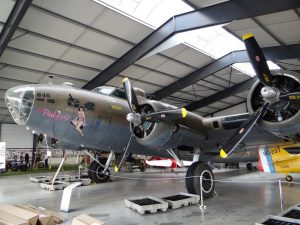
The history of aviation and the Miellerie du Gâtinais
This tour takes you on a surprising journey to the heart of the Île-de-France region, where aviation history meets beekeeping know-how. Between…
Fill up on discoveries
We organize your transport by coach, train or plane
Explore a neighborhood, town, village, or region through a thoughtfully designed itinerary tailored to your interests.
Go alone or in a group to discover these places
You won't miss a single detail - they know their subject inside out.
This escapade in the Pas-de-Calais offers an experience as surprising as it is rewarding, combining the discovery of our hydraulic heritage with immersion in an emblematic industrial know-how. From the wateringues of Audruicq to the chicory of Vieille-Église, this day trip plunges you into the history of a region shaped by man and water.
Perfectly suited to groups, this outing combines a guided tour, coach trip and educational discovery.
The term ” wateringues” comes from Flemish and dates back to the 12th century. It refers to a series of hydraulic structures designed to drain land reclaimed from the sea, known as polders.
In theAudruicq region, part of the land lies below sea level, making water control essential for agriculture and housing.
The wateringues include :
This ingenious system constantly monitors water levels and protects land from flooding.
Reclamation of the marshes in this region dates back to Roman times, but it was not until the Middle Ages that major works were undertaken.
Under the impetus of Philippe d’Alsace, Count of Flanders in the 12th century, major developments were carried out to protect the coastline and exploit the land.
Over the centuries, techniques have evolved to :
Even today, this territory bears witness to the constant struggle between man and nature.
The severe floods of 1974 and 1975 in the Marais Audomarois marked a turning point in water management.
In 1977, the creation of theInstitution Interdépartementale des Wateringues enabled the modernization and coordination of hydraulic facilities.
Today, this system is based on :
This organization ensures the safety of local residents and the continuity of farming activities.
The visit takes the form of a projection followed by a coach tour, allowing direct observation of the infrastructure in the field.
Visitors include :
This immersive approach sheds light on an often little-known regional heritage.
The day continues with the discovery of another regional emblem: chicory, cultivated for thousands of years.
Used since Antiquity for its medicinal virtues, it enjoyed a boom in Europe from the 17th century onwards, notably as a substitute for coffee.
In France, its cultivation is growing strongly:
Today, France remains the world’s leading chicory producer.
Just a few kilometers from Audruicq, the village of Vieille-Église is home to an exceptional site: France’s last chicory dryer.
Built in 1921 and closed in 1968, this building has been restored to its original state.
Today, it is :
The tour takes in all the stages of chicory processing:
This process highlights a unique technical and agricultural know-how, deeply rooted in the region.
Today, the local association works to preserve and promote this heritage, passing on the history of chicory and its economic importance.
This tour allows you to :
This day is perfectly suited to groups, thanks to a structured and accessible program.
It proposes :
The wide range of themes will appeal to all audiences.
Choosing this outing means discovering a territory shaped by human ingenuity.
It enables :
Between water, land and know-how, this day offers an authentic immersion in the Hauts-de-France region.
Wateringues are a complex hydraulic system for draining land below sea level, known as polders. They play an essential role in flood prevention and in maintaining agricultural activities. This network of canals, pumps and control structures is indispensable in certain regions of Hauts-de-France.
Chicory has been cultivated for thousands of years, used in particular as a substitute for coffee. In northern France, it played a major economic role, particularly from the 18th century onwards. Even today, France is the world's leading producer, and chicory remains a strong symbol of the region's agricultural heritage.
The Vieille-Église drying facility is the last chicory drying facility in France. It allows visitors to discover all the stages of chicory processing, from harvesting to the finished product. This unique site immerses visitors in an industrial and agricultural know-how that has now disappeared, while highlighting local history.
This tour takes you on a surprising journey to the heart of the Île-de-France region, where aviation history meets beekeeping know-how. Between…
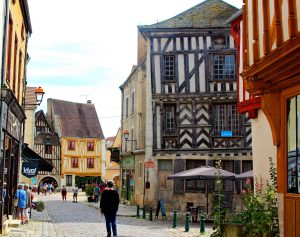
Noyers-sur-Serein, Montréal and Vézelay: a journey to the heart of Burgundy's most beautiful medieval villages This day out in Burgundy offers a…
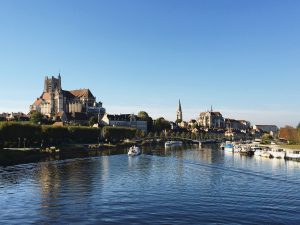
Saint-Germain Abbey, Saint-Etienne Cathedral and Vézelay: an exceptional immersion in Burgundy's spiritual and artistic heritage. This cultural getaway in Burgundy offers a…
Would you like to plan a similar experience? Request your personalized itinerary.