Arc de Triomphe: One of the Best Views of Paris
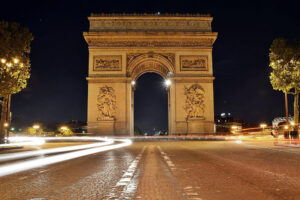
The Arc de Triomphe is much more than one of France's most famous monuments. Standing proudly at the western end of the…
We organize your transport by coach, train or plane
Passez de surprise en surprise au fil de votre journée
Go alone or in a group to discover these places
You won't miss a single detail - they know their subject inside out.
Step away from the thrumming heart of Paris and find yourself enveloped in an atmosphere of refined elegance and quiet history. As you leisurely make your way along the left bank’s gentle Seine curve, the air shifts — carrying whispers of aristocratic lives, political intrigue, and artistic revolutions.
From the grandeur of the Musée d’Orsay, once a bustling railway station, to the solemn majesty of the Hôtel des Invalides with its golden dome gleaming above, this walk unfolds like a narrative of France’s cultural and political evolution rooted deeply in the 7th arrondissement.
There are neighborhoods in Paris so steeped in history and grandeur that strolling their streets becomes a journey through time itself.
The 7th arrondissement is one such enclave, where aristocratic mansions and monumental public buildings co-exist in a harmonious dialogue across centuries. This is where French nobility once gathered, where political power concentrated, and where art found acclaimed sanctuaries. Unlike the bustling tourist epicenters, this district invites walkers to slow down and savor layered experiences.
You will witness how architecture reflects French society’s shifting roles — from regal residences to institutions shaping national identity. The Seine’s gentle flow adds a poetic rhythm as you pass by carefully preserved facades and intimate gardens that few outside locals ever truly appreciate.
This quarter, historically known as a bastion of nobility, began to take its distinct shape during the reign of Louis XIV. Commissioned grand hôtels particuliers—private mansions—sprang up here, illustrating not mere wealth but power embodied in stone and ornament. The nearby Palais Bourbon, now the French National Assembly’s seat, entrenched the area’s political significance. Fast-forward to the late 19th century, and the Gare d’Orsay transformed the district’s landscape.
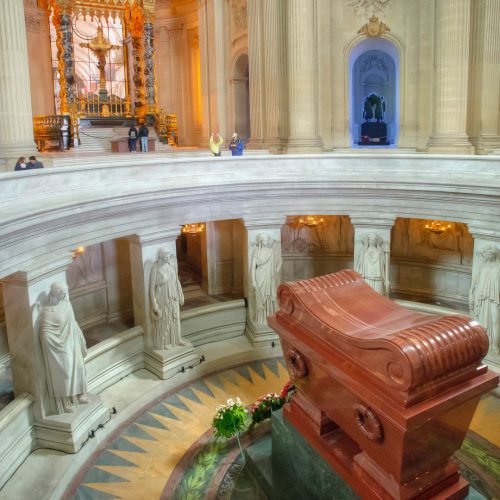
Originally a Beaux-Arts railway terminal, it would later become the Musée d’Orsay, housing masterpieces of Impressionism and beyond, a testament to France’s artistic renaissance. Meanwhile, the Hôtel des Invalides, conceived as a compassionate military hospital by Louis XIV, grew into a mausoleum for the Empire’s most famous figure, Napoleon Bonaparte, linking grandeur with solemn remembrance. Every cobblestone, every classical façade here carries stories of ambition, culture, and transformation — revealing not just places but pivotal chapters in French identity.
The experience begins amid the ornate halls of the Musée d’Orsay. Step inside this former train station and marvel at the vast glass roof that floods priceless works with a celestial glow. The collection treads a captivating path from realism and impressionism to post-impressionism — art that redefined perceptions and captured the era’s pulse.
Guided Walk from Musée d’Orsay to Hôtel des Invalides can become one unforgettable chapter in a journey designed around the way you love to travel. Rather than following a fixed route, your time in Paris can be shaped around the places, stories, neighborhoods, museums, gardens, flavors, and quiet moments that matter most to you.
Suite Voyage Discovery creates tailor-made journeys across Paris and France, combining iconic landmarks with more personal discoveries so your itinerary feels thoughtful, fluid, and entirely your own.
Leaving the museum, your steps lead into the Faubourg Saint-Germain district. Here, narrow streets weave past hôtels particuliers such as the Hôtel de Matignon and Hôtel de Lassay, residences of political power today yet echoes of grand host receptions and salons that once shaped ideas and alliances. The elegant wrought iron balconies, tall shuttered windows, and discreet courtyards invite you to imagine life behind these façades — a Paris of powdered wigs, glittering chandeliers, and intellectual discourse.
Nearby, the Musée Rodin offers a different, more intimate cultural encounter. Nestled in the Hôtel Biron, the museum’s landscaped gardens showcase Auguste Rodin’s evocative sculptures in dialogue with nature — from the tormenting “The Thinker” to delicate bronzes catching afternoon light. This visit feels contemplative, a pause amid the district’s stately drama. Then, political history comes sharply into focus with visits to the Palais Bourbon and the ministries that shape modern France.
Their imposing architecture and ceremonial grandeur speak to centuries of governance and the weight of decisions made within these walls. As the walk culminates at the Hôtel des Invalides, the golden dome piercing the sky, you are reminded of France’s complex history — the glory and grief embodied here by the tomb of Napoleon and the museums honoring military heritage. This is also where a personalized Paris itinerary begins to feel different.
Suite Voyage Discovery can shape the experience around the rhythm you prefer — a quiet morning walk, a deeper art-focused route, or a day that connects neighborhood charm with the city’s great landmarks.
Amid the grandeur, look closer and the 7th arrondissement reveals subtleties that enrich the experience. The delicate carvings on doorframes in Faubourg Saint-Germain recall myths and family crests. Notice how the angled mansard roofs catch the afternoon sun, casting shadows that animate the streets. Inside Musée Rodin’s gardens, the alignment of trees and sculptures offers a sculptural choreography where nature and art mingle with poetic grace.
Further on, small plaques discreetly mark historic sites where intellectual gatherings or momentous decisions once unfolded — whispers from the past entwined with present tranquility. Even the quiet squares and side streets hold secrets: a centuries-old café where artists debated, a hidden courtyard garden, or wrought-iron gates framing views that photographers cherish. These are the moments that make a walk here feel less like touring and more like uncovering a private story.
For travelers who want more than a standard visit, Suite Voyage Discovery turns places like this into meaningful chapters of a tailor-made journey through France, balancing iconic sights with quieter moments that feel entirely your own.
Plan to take your time—this walk is not about rushing from site to site but savoring the interplay of art, architecture, and history. Comfortable shoes are essential, as you will follow cobblestone streets and sometimes linger in gardens or museum halls. Many museums in the area have remarkable cafés where you can rest and absorb the ambiance. Consider timing your visit to Musée d’Orsay or Musée Rodin to experience less crowded hours, perhaps early morning or late afternoon.
The most memorable journeys rarely come from a checklist. They come from a rhythm, a mood, a sequence of places that feels natural to you — a morning in a historic neighborhood, an afternoon among masterpieces, a quiet view over Paris, or a countryside escape woven into the same journey.
With Suite Voyage Discovery, every itinerary is crafted around your interests, your pace, and the kind of memories you want to bring home.
Whether this becomes your first morning in Paris or one memorable chapter in a longer journey across France, Suite Voyage Discovery can craft the experience around what you want to see, feel, and understand. The 7th arrondissement’s elegant streets and storied buildings offer more than sightseeing—they provide a visceral connection to Paris’s soul. Imagine settling into the rhythm of this refined neighborhood, where history is not a distant lesson but a living presence.
From the transformative spirit of the Musée d’Orsay to the solemn grandeur of the Hôtel des Invalides, your exploration here is a narrative shaped by you, with Suite Voyage Discovery weaving the perfect balance of iconic and intimate. For those who cherish art, politics, architecture, and the subtle poetry of Parisian life, this walking experience becomes a prism, reflecting many facets of France’s heritage with elegance and depth.
Let this journey become part of your tailor-made travel story through France, bearing the marks of curiosity, reflection, and timeless beauty.
For a broader cultural context, this itinerary can naturally connect to other explorations such as the evocative impressionism collections in the Musée d’Orsay itself or a complementary venture into Paris’s bustling Left Bank neighborhoods like Saint-Germain-des-Prés or the Latin Quarter,.
The walk covers key landmarks such as the Musée d’Orsay, Faubourg Saint-Germain district with its aristocratic mansions including Hôtel de Matignon and Hôtel de Lassay, the Musée Rodin in Hôtel Biron, the Palais Bourbon (National Assembly), Ministère des Affaires étrangères, and the Hôtel des Invalides with Napoleon’s tomb.
This leisurely cultural walk is suitable for travelers of all ages and fitness levels interested in art, history, architecture, and French political heritage. It offers an accessible pace with opportunities for families, couples, and individual explorers to absorb the refined atmosphere of the 7th arrondissement.
Absolutely. The itinerary is designed to be flexible, allowing visitors to spend additional time inside museums such as Musée d’Orsay and Musée Rodin for a deeper cultural immersion. Suite Voyage Discovery can tailor the experience to include guided museum visits or focus more on the historic neighborhoods according to your interests.
The Arc de Triomphe is much more than one of France's most famous monuments. Standing proudly at the western end of the…
The bells echo across the Seine as the first rays of sunlight touch the ancient stone. Slowly, the great western façade begins…

Some places display works of art. Others become works of art themselves. The Louvre belongs to the second category. Long before it…
Would you like to plan a similar experience? Request your personalized itinerary.